Selling Sponsorships for Recurring Events: A Playbook for Monthly Luncheons and Weekly Coffees
Your monthly luncheon happens twelve times a year, but most chambers sell it like a single event. Here's how to price, package, and fill sponsorships date by date so every month has a sponsor at the table.
The monthly luncheon is probably the most reliable event on your calendar. It happens whether the economy is up or down, the same regulars show up, and the room fills without much marketing. It's also one of the most undersold sponsorship opportunities most chambers have.
The reason is simple. A recurring event gets treated like one event. There's a single "Luncheon Sponsor" listing for the year, one business buys it (or nobody does), and the other eleven months go by with an empty spot where a sponsor could have been. Meanwhile, dozens of smaller members would gladly pay to be in front of that room once.
Here's how to sell recurring event sponsorships one date at a time, without turning it into twelve times the work.
Think in dates, not in series
A business owner deciding whether to sponsor is picturing a specific room on a specific day. "Sponsor the March luncheon, when our speaker is the county economic development director" is concrete. "Luncheon sponsor, 2027" is abstract, and it comes with a price tag sized for a whole year.
Selling by date does three things for you:
- It lowers the price of entry. A single month is a small, easy decision for a business that would never take a year-long commitment.
- It creates more inventory. One sponsorship becomes twelve, and each one can sell to a different member.
- It lets sponsors match their timing. The tax preparer wants February. The landscaper wants April. The jeweler wants December.
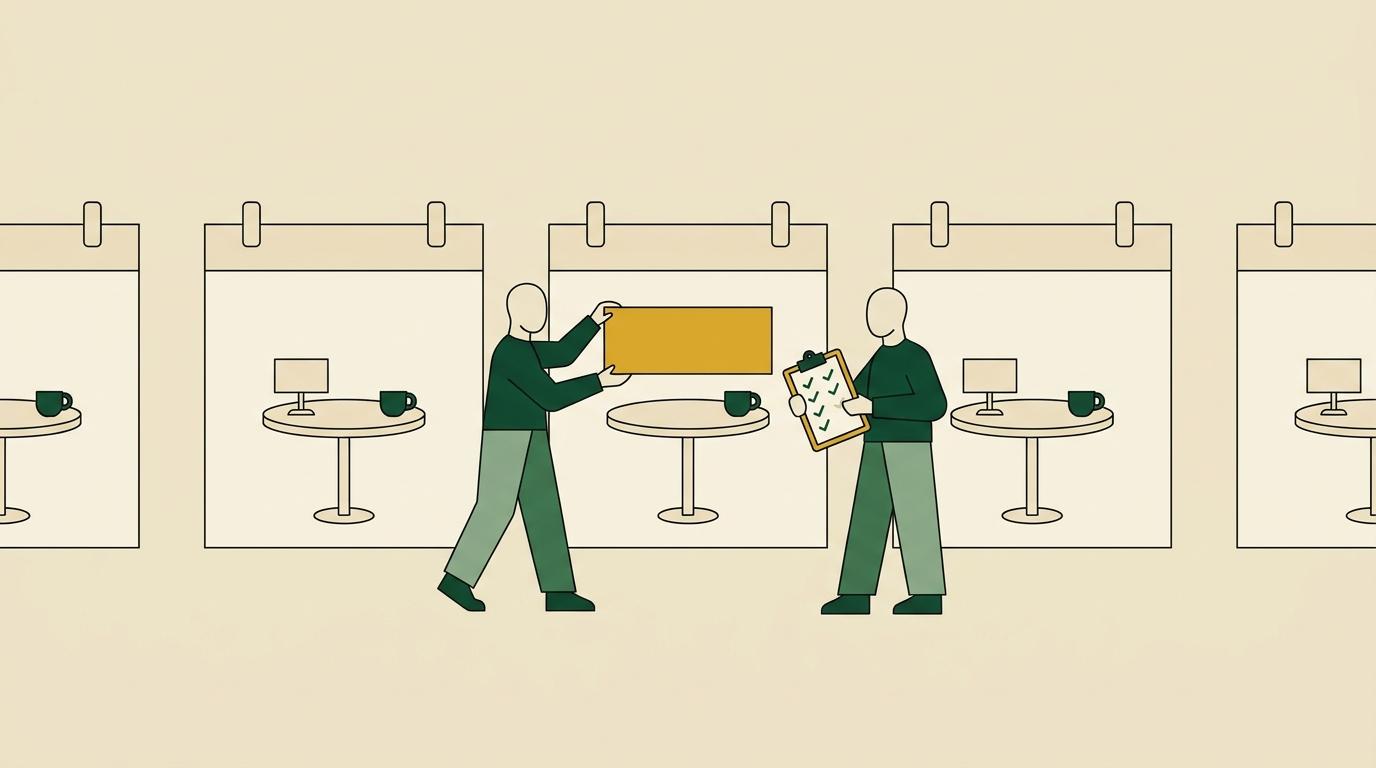
In Chamberly, recurring events have real dates. You set the event up once, and sponsorships can be sold for each date on its own. On the storefront, buyers pick the date they want from a list of full dates, and dates that have already happened drop off so nobody buys last week's luncheon.
Keep a series sponsor on top
Selling by date doesn't mean giving up the bigger sale. Most recurring events work best with two layers:
- A series sponsor whose name is on every date all year. This is the premium spot: logo on every agenda, a mention at every meeting, and the first call when next year comes around.
- Date sponsors who own one meeting. Think coffee sponsor, table sponsor, or "presented by" for that month's program.
Price the series spot so it's clearly a better deal per meeting than buying every date separately, but still well above any single date. If a date sponsor starts buying three or four months a year, that's your lead for next year's series sponsor.
If you want to bundle a few dates together for a member who likes the idea but not the full year, a sponsorship package turns several date sponsorships into one purchase.
Price dates by the room, not the calendar
Not every month is equal. The January luncheon with the mayor's state of the city address will draw a bigger crowd than the July meeting when half your members are on vacation. Your pricing should say so.
A simple approach:
- Set a base price for a normal month, based on typical attendance.
- Mark up the big ones. Headline speakers, annual meetings, and holiday events can carry a higher price.
- Discount the slow months slightly, or include an extra benefit, rather than letting them sit empty.
Whatever you charge, show the expected attendance on the listing. We covered how to estimate it honestly in How Big Is the Room?. A sponsor paying for one meeting wants to know exactly how many people will be in it.
Give each date something to sell
A date sponsorship sells best when the date has a story. Publish your program calendar as early as you can, even if a few speakers are still to be confirmed, and write each date's listing around it.
- Theme the months. A workforce panel in March, a small business month spotlight in May, a holiday social in December. Themes help the right sponsor find the right date.
- Name the benefits plainly. "Two minutes at the podium, logo on the table tents, a seat at the head table" beats "recognition at the event."
- Add photos from past meetings. A packed room sells the next one.
For more on writing listings that close without a phone call, see Write Sponsorship Listings That Sell Themselves.
Sell the calendar early, then fill the gaps
The best time to sell recurring dates is right now, while members are planning next year's budgets. Put the full year on the storefront in November or December, then work it in three passes:
- Offer last year's sponsors their dates first. A business that sponsored April this year will often take April again. First rights make that the default instead of a scramble.
- Announce the open calendar to all members. A short email listing the open dates and their themes gives members a reason to click.
- Chase the gaps about sixty days out. When a date is two months away and still open, that's a short list of personal calls, not a campaign.
Because each date is its own sponsorship, it's easy to see which months are sold and which are still open. If you use an AI assistant through AI Connections, the report tools understand recurring dates too, so a question like "which luncheon dates still need a sponsor?" gets a date-by-date answer.
Deliver every date like it's the only one
Recurring events are where sponsor benefits most often slip. The program is routine, the room is familiar, and the podium mention for this month's sponsor gets forgotten. The sponsor notices, and they don't come back.
Each sponsorship you sell in Chamberly comes with a fulfillment checklist built from its benefits. For recurring events, use it every time:
- Give each benefit a due date tied to that meeting, so the logo for the table tents is requested before the print run.
- Assign an owner, so whoever runs the meeting knows to read the sponsor thank-you.
- Attach proof, like a photo of the sponsor at the podium or a screenshot of the social post.
Twelve months of photos and checked-off benefits is the strongest renewal pitch you'll ever have for your series sponsor.
Roll it forward without starting over
When the year ends, you shouldn't have to rebuild twelve dates by hand. When a dated monthly sponsorship rolls forward to the next year in Chamberly, its dates are worked out again for the new calendar, so the second Tuesday stays the second Tuesday. Combined with first rights, last year's date sponsors get the first chance at their month, and you spend your time selling what's left instead of re-entering what you already had.
Start with one event
You don't need to convert every recurring event at once. Pick the one that draws the most consistent crowd, usually the monthly luncheon, and set up next year's dates with a series sponsor and twelve date sponsorships. Publish the calendar, offer returning sponsors their months, and see how many dates fill before spring.
Most chambers find that the event they thought was "already sponsored" had eleven more sponsorships hiding in it.