Sponsor Packages and Private Offers: Bundle Sponsorships to Close Bigger Deals
A well-built package turns five small decisions into one yes. Here's how to bundle sponsorships, price them, and when to build a private offer for a single business.
Some of your best sponsors don't want to shop. They want you to tell them what makes sense. The bank that sponsors three events a year, the hospital that likes its name on anything health related, the new business owner who says "I have about $5,000, where should it go?" A list of forty separate sponsorships doesn't help any of them.
A sponsor package does. It's a bundle of sponsorships, put together on purpose, with one price and one decision. Done well, packages raise your average sale, move the inventory that's hard to sell on its own, and give your biggest sponsors a reason to commit early.
Here's how to build packages that sell, and when to make a private offer for one business instead.
Why bundle at all
Selling sponsorships one at a time has two quiet costs. First, a sponsor who likes your chamber still has to make five small decisions instead of one, and every decision is a chance to say "let me think about it." Second, your popular sponsorships sell out while the smaller ones sit, because nobody goes looking for the Tuesday coffee or the summer mixer.
A package fixes both. The sponsor says yes once. And you can pair a headline sponsorship with a couple of the quieter ones, so the whole calendar fills, not just the gala.
Three packages most chambers can use
- The year-round presence. One sponsorship at each of your signature events, so the sponsor's name shows up all year. Good for banks, utilities and hospitals that care about steady visibility more than any single night.
- The theme bundle. Sponsorships that share an audience. A "small business champion" package might pair your new member orientation, a workshop and a networking mixer. A "community" package might pair your festival with a youth leadership program.
- The starter package. Two or three affordable sponsorships for a business that has never sponsored before. It's a low-risk first step, and it puts a new name on your sponsor wall.
Keep the list short. Three or four packages are easier to explain than ten, and easier for your staff to remember on a call.
Price it so the bundle is worth it
A package should cost less than buying the same sponsorships separately, but not so much less that you train sponsors to wait for a deal. A few guidelines:
- Keep the discount modest. Ten to fifteen percent is usually enough to make the bundle feel smart without giving away revenue.
- Discount the slow sellers, not the stars. If your gala title sponsorship sells out every year, there's no reason to discount it. Put the discount on the sponsorships that need help.
- Show the savings plainly. "Three sponsorships, $4,500, a $600 savings" is easier to say yes to than a price with no context.
In Chamberly, you build a package from sponsorships you already have, set how many of each it includes, and choose a discount for the whole package, either a percentage or a fixed amount. You can also put a percentage discount on individual items in the package, which is how you discount the slow sellers without touching the stars.
When to make a private offer instead
Sometimes the right package is one you build for a single business. Your largest sponsor wants to talk about next year. A new employer in town wants "something meaningful" for their first year. A member who sponsored one event wants to step up to three.
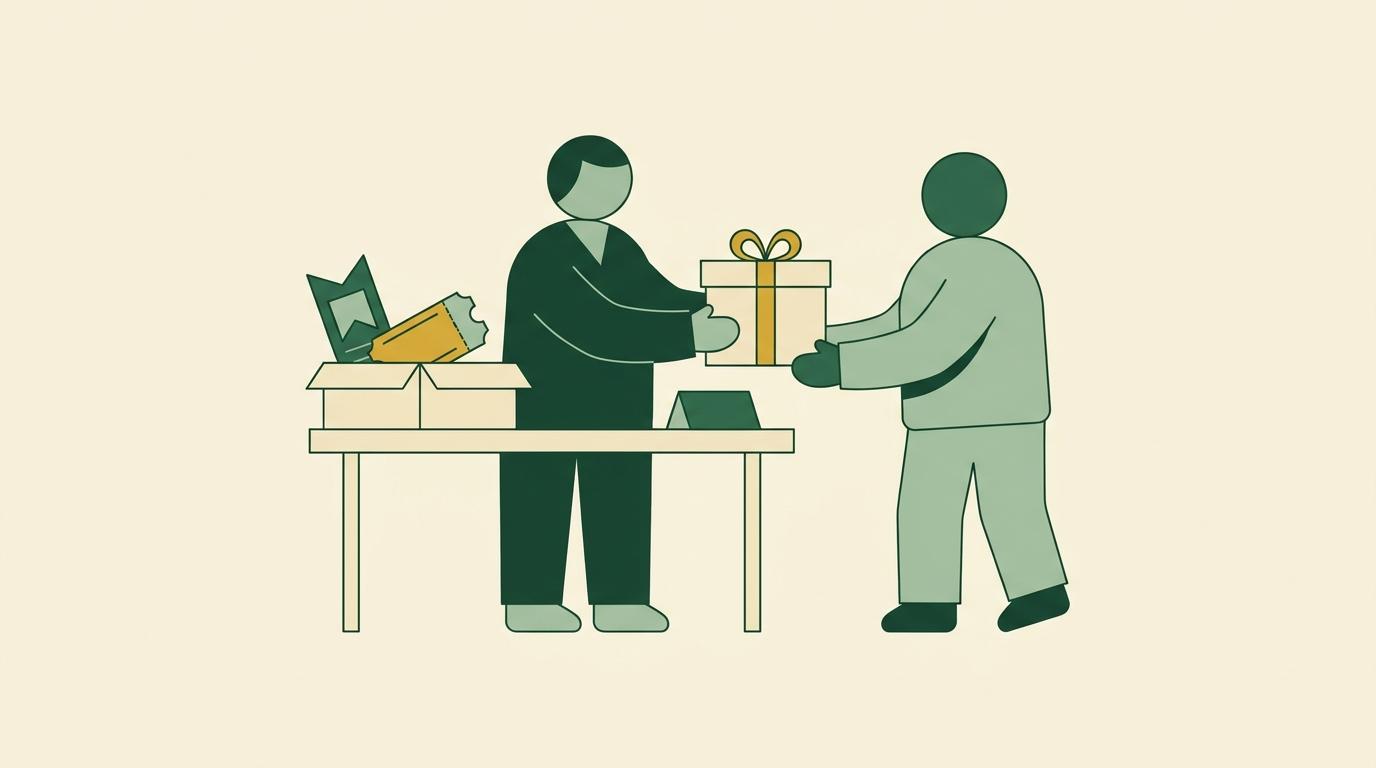
That's a private offer: a custom bundle, priced for that conversation, that nobody else can buy. In Chamberly, you create the package the same way and assign it to one business. It's single use, so once that business buys it, the offer is done and can't be reused by anyone else.
Private offers work best when:
- You've already talked. The offer should follow a real conversation about what the sponsor wants, not replace it.
- It's built around their goals. If they care about hiring, include the job fair. If they care about leaders, include the leadership program.
- It has a reason to act now. Tie it to a date, like the end of your first-rights window or the start of the new year.
Packages and first rights
Packages fit nicely with your renewal season. When you roll into a new sponsorship year, last year's sponsors get the first chance at the sponsorships they bought. That's a natural moment to offer a step up: "You had the spring luncheon last year. Here's a package with the luncheon, the golf tournament and the holiday mixer, for less than buying them separately."
A sponsor who is already renewing is your warmest prospect for a bigger commitment. A package gives them an easy way to say yes to more.
Keep the bundle honest
A package is only as good as what you deliver. Each sponsorship inside it still comes with its own benefits, and a sponsor who bought a bundle will notice if one piece slips. Track fulfillment for every sponsorship in the package the same way you would if it were sold alone, so your year-end recap can show every benefit, not just the big one.
Start with one
You don't need a full catalog this year. Look at your sponsor list, pick the one business most likely to want more than one sponsorship, and build them a private offer before the holidays. Then build one public package from the sponsorships that didn't sell this year, paired with one that did.
Two packages, built on purpose, will tell you more about what your sponsors want than another season of selling one at a time.