How to pitch new software to your chamber board (a one-meeting playbook)
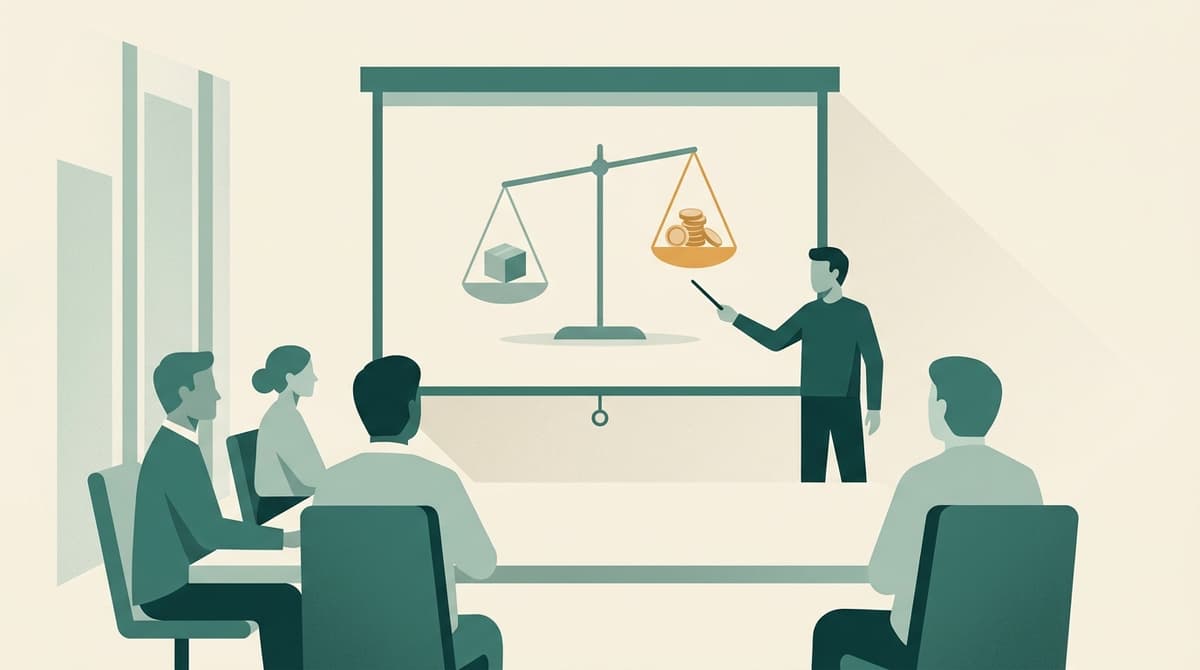
Boards don't approve software. They approve solutions to problems they already care about. Here's a practical playbook for getting a sponsorship platform approved in one meeting, with a script, a one-page proposal outline, and answers to the usual objections.

You've found a tool that would save your team hours every week and probably sell more sponsorships. Now you have to get it past the board. And the board has a treasurer, a longtime member who remembers the last software purchase that didn't work out, and eleven other agenda items.
Here's the thing most staff get wrong: boards don't approve software. They approve solutions to problems they already care about, at a cost they can defend. If you walk in talking about features, you'll get "let's table this until next quarter." If you walk in talking about revenue and risk, you'll usually get a vote.
This is a playbook for getting there in one meeting.
Before the meeting
Talk to two people first
Never let the board hear a spending proposal for the first time in the meeting. Before it's on the agenda, have a short conversation with:
- The treasurer or finance chair. Walk through the numbers. Ask what they'd need to see to support it. Their questions tell you what to put in the proposal.
- The board chair or executive committee. Get their sense of timing and whether there's appetite. If they're lukewarm, find out why before you're in front of everyone.
If both of them are comfortable, the rest of the board usually follows.
Find the problem they already feel
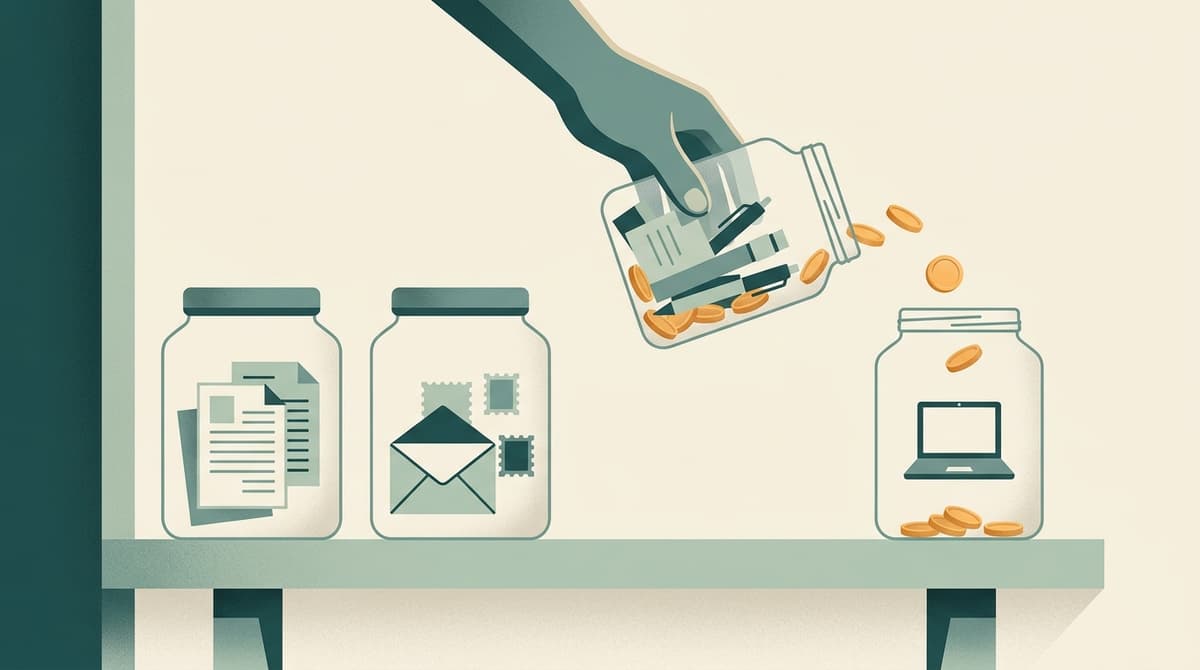
Every board has a sponsorship pain point they've heard about. Maybe a major sponsor didn't renew and nobody noticed until the program went to print. Maybe a board member's business was told a sponsorship was sold out when it wasn't. Maybe the revenue report takes a week to produce. Lead with that, not with the product.
Gather three numbers
You don't need a consultant's report. You need:
- Last year's sponsorship revenue. From your financials.
- Roughly how many staff hours go into sponsorship admin. Tracking, emailing, chasing renewals, building reports. An honest estimate is fine.
- How many sponsorships went unsold or were sold late. Even a rough count is powerful.
The one-page proposal
Keep it to one page. Boards read one page. Here's an outline:
- The problem (two or three sentences). "We sell sponsorships across 14 events using spreadsheets and email. Renewals depend on staff memory, members can't see what's available without calling us, and we can't easily report on sponsorship revenue."
- What it costs us today. Staff hours, unsold inventory, late renewals. Use your three numbers.
- The proposal. What you want to buy, what it does in one sentence, and the annual cost.
- The break-even. How many additional sponsorships (or hours saved) it takes to cover the cost.
- The risk and the exit. Contract length, what happens to your data if you leave, how long setup takes.
- The ask. Exactly what you want the board to vote on.
The break-even math
This is the part that wins treasurers over. Keep it simple and conservative.
Say your chamber's average sponsorship is $1,500, and you're looking at Chamberly Pro at $3,999 a year. The math is:
$3,999 ÷ $1,500 = about 2.7. If the platform helps us sell three sponsorships we otherwise wouldn't have, it has paid for itself.
Three sponsorships. That could be one first-rights renewal that would have slipped through, one sale to a member who found the storefront on their own, and one sponsorship released on time instead of two weeks before the event.
You can add staff time as a secondary benefit, but lead with revenue. Boards trust revenue math more than time-savings math, because time savings don't show up on the financial statements.
A talk track for the meeting
You'll probably get five minutes. Something like this:
"Sponsorships brought in [last year's number] last year. Right now we manage all of it with spreadsheets and email. That means members have to call us to find out what's available, renewals depend on us remembering to follow up, and it took [time] to pull together the numbers for this meeting.
I'm proposing we move to Chamberly, a sponsorship platform built for chambers. It gives members an online storefront to see and claim sponsorships, handles first-right renewals automatically, and gives us real-time reporting.
It costs [price] a year. At our average sponsorship size, it pays for itself if it helps us sell [number] more sponsorships. There's no long-term contract, and we can run it without online payments at first, so nothing about our invoicing changes.
I'm asking the board to approve [price] for a one-year pilot, and I'll report back on results at [date]."
The objections you'll hear
"Can't we just use a spreadsheet?"
You are using a spreadsheet. That's the problem. It can't send reminders, it can't let members self-serve, and it only works as long as the person who built it is here.
"We tried software before and nobody used it."
Fair. Ask what went wrong. Usually it was a big system that tried to do everything. A focused tool that handles one job (sponsorships) is easier to adopt. Offer a pilot with a clear check-in date.
"Our members won't buy online."
They don't have to. In reservation mode, members claim sponsorships online and you invoice them the way you do now. See our guide to reservation mode.
"What about our data?"
Chamberly imports from CSV and Excel, and you can export everything the same way. There's no contract. If you cancel, your data is kept for 30 days so you can export it.
"What if the staff member who champions this leaves?"
That's actually the best argument for it. Right now, your sponsorship knowledge lives in people's heads and inboxes. A platform keeps first rights, history, and sponsor records in one place for whoever comes next.
Frame it as a pilot
A one-year pilot with a report-back date is much easier to approve than a permanent change. Set two or three measurable goals: renewal rate on first-rights sponsorships, total sponsorship revenue, staff hours on sponsorship admin. Then report on them. If it works, renewal is easy. If it doesn't, you walk away with no contract.
Get help with the pitch
If it would help to show your board the real thing, the Playground is a live demo chamber anyone can click through. You can also book a demo and we'll help you put together numbers for your own chamber. Plan details are on the pricing page.